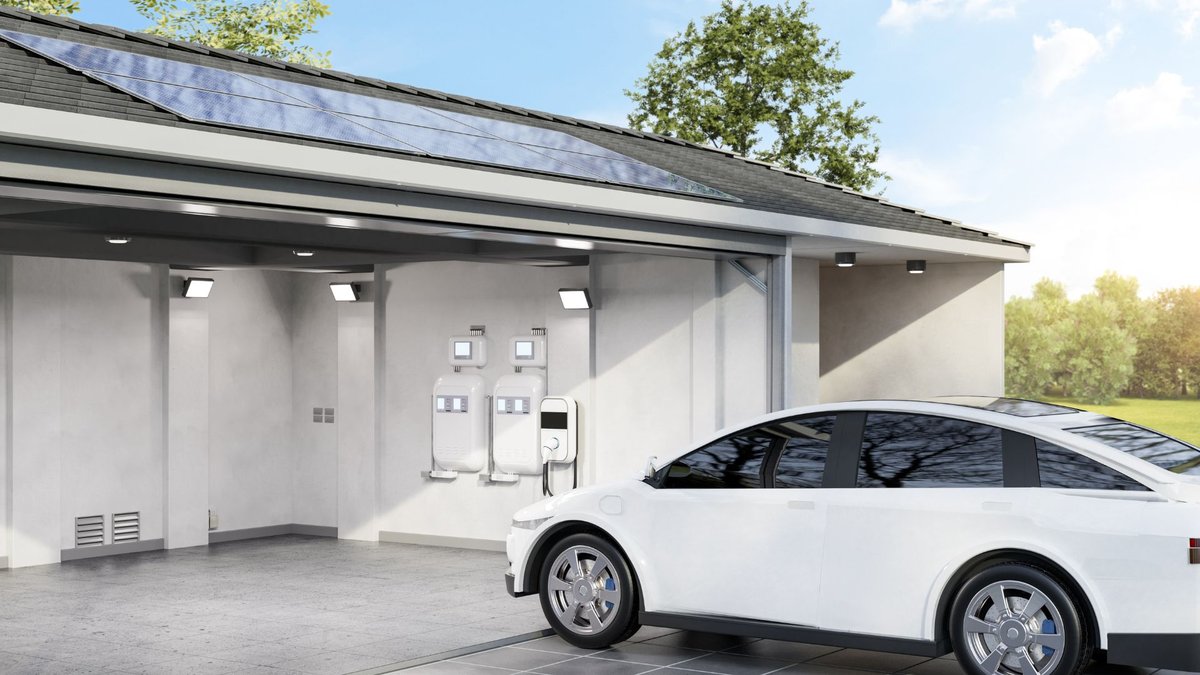
When you’re looking to power your home, the choices can feel overwhelming, especially when Comparing Solar to Other Home Energy Options. It’s not just about flipping a switch anymore; it’s about making smart, sustainable decisions that impact your wallet, your comfort, and the planet. This guide cuts through the noise to help you understand where solar stands in the broader landscape of renewable energy, offering a clear path to finding the best fit for your home.
At a Glance: Your Home Energy Options
- Solar is more accessible than ever: Costs have dropped dramatically, making it a leading choice for many homeowners.
- Not all solar is the same: Choose from grid-tied, off-grid, or hybrid systems based on your needs.
- Beyond solar, other renewables shine: Wind, hydro, geothermal, and biomass each have unique strengths and limitations in effectiveness, cost, environmental impact, and scalability.
- Your choice is personal: The "best" option depends on your location, budget, energy goals, and environmental priorities.
- Research pays off: Comparing quotes, understanding warranties, and exploring incentives are crucial steps.
Solar Power: The Shining Star on the Rooftop (and Beyond)
Solar energy has transformed from a niche technology to a mainstream solution for homes across the globe. But what exactly does that entail, and how do you navigate its specifics?
Unpacking Solar: System Types for Every Home
Your journey into solar often starts with understanding the different ways solar panels can connect to your home and the wider world.
Grid-Tied Systems: The Most Common Choice
Most residential solar setups are "grid-tied." This means your panels are connected to your local utility network. When your panels produce more electricity than you're using, that excess energy can be sold back to the grid (a process called net metering), earning you credits or payments. Conversely, when your panels aren't producing enough – say, at night or on very cloudy days – you draw power directly from the grid.
These systems are generally the most economical because they reduce your electricity bills significantly without requiring expensive battery storage. You get the best of both worlds: sustainable energy and reliable backup from the utility.
Off-Grid Solutions: True Energy Independence
For those dreaming of complete energy independence, or for homes in remote areas without reliable grid access, off-grid solar is the answer. These systems operate entirely independently of the utility grid, meaning you produce all your own electricity. The catch? They absolutely require battery storage to ensure a consistent power supply, especially overnight or during extended periods of low sunlight.
Off-grid solutions are more costly due to the battery bank and often a backup generator, but they offer unparalleled freedom from utility companies. Approximately 20% of U.S. property owners, particularly those in rural or isolated locations, opt for these self-sufficient setups.
Hybrid Solutions: The Best of Both Worlds
Can't decide between grid-tied reliability and off-grid independence? Hybrid systems offer a clever blend. They allow you to store power in batteries for personal use or backup, while still remaining connected to the grid. This setup provides enhanced safety during power failures (unlike standard grid-tied systems, which typically shut down for safety during outages) and can optimize energy use by charging batteries when electricity is cheap and drawing from them when rates are high. It's a popular choice for homeowners who want battery backup without fully committing to the complexities of going entirely off-grid.
Navigating Your Solar Journey: Key Factors to Compare
Once you have a sense of the system types, it's time to dig into the details that will truly shape your solar investment.
1. Expense: Beyond the Sticker Price
Evaluating installation costs is paramount. Don't just look at the total number; understand what's included and what value you're getting. Remember, the global renewable energy sector is booming, projected to grow from $189.5 billion in 2022 to $607.8 billion by 2030, with an annual growth rate of 20%, reflecting a wider trend of making green energy more affordable and accessible.
2. Efficiency: Making Every Ray Count
Nearly 100% of residential solar panels today are monocrystalline, known for their high efficiency. More efficient panels convert a greater percentage of sunlight into electricity, meaning you can generate more power with fewer panels or in a smaller space. This translates directly to increased long-term savings and a faster return on investment. Current residential panel efficiency can reach up to 22%.
3. Warranty and Maintenance: Protection for Your Investment
A solar energy system is a long-term investment, so understanding its warranty and maintenance needs is critical. Compare warranty terms for both panels and inverters; longer warranties often signify higher quality and greater confidence from the manufacturer. Also, clarify any associated maintenance costs. While solar panels are generally low-maintenance, inverters might need replacement after 10-15 years, and occasional cleaning can boost efficiency.
4. Installation Timeline: Setting Expectations
No one likes surprises, especially when it comes to home improvements. Clarify the anticipated length of the installation process from start to finish. This includes permits, inspections, and the physical installation. Ask about potential delays that could arise due to weather, supply chain issues, or local regulations.
5. Reputation of the Installer: Trust Who You Hire
Your solar installer is your partner in this journey. Do your homework! Investigate their reputation through customer reviews, testimonials, and industry certifications. A reputable installer provides quality service, stands behind their work, and offers excellent support long after installation.
6. Break-even Point (Payback Period): When Savings Kick In
This is a crucial financial metric. The break-even point, or payback period, tells you how long it will take for your accumulated energy savings and incentives to equal your initial investment. You calculate it by dividing the final cost by the annual financial benefit. For example, a $20,000 investment with $2,000 annual savings has a 10-year break-even point. Understanding this helps you gauge the financial viability of your solar project. For many, deciding if solar is worth it often boils down to this calculation.
Smart Shopping: Getting the Best Solar Quotes
Comparing solar plans effectively means being a savvy shopper. Here’s how to gather and analyze quotes like a pro.
Request Multiple Quotes: The Power of Choice
Don't settle for the first offer. Always obtain quotes from at least three different installers. This allows you to compare pricing, equipment, and services, helping you identify competitive offers and negotiate better terms.
Compare Expenses per Watt: An Apples-to-Apples Metric
Total system expenditure can be misleading if system sizes vary. To ensure a consistent comparison, calculate the "cost per watt." Divide the total system cost by the system size in watts. This normalized figure allows you to compare the true value of different proposals.
Evaluate Equipment Quality: The Heart of Your System
Dig into the specifications of the photovoltaic (PV) panels and inverters. Look at efficiency ratings, warranty details, and performance metrics, especially how they perform in cloudy conditions. As Dr. Mark Z. Jacobson notes, the continuous decline in PV prices is largely due to improving technologies, meaning today's equipment is more advanced and reliable than ever. Higher quality components often mean better long-term performance and durability.
Check for Hidden Fees: No Surprises
Carefully review quotes for any additional costs. These might include installation fees, permit application costs, interconnection fees, or ongoing maintenance expenses that aren't immediately obvious. A transparent quote should itemize everything clearly.
Ask Questions: Don't Be Shy
If anything in a quote is unclear, ask! A good installer will be happy to clarify any aspect of their proposal, from equipment choices to installation logistics and warranty details. This is your investment, so ensure you understand every detail.
Explore Government Programs: Boosting Your Savings
Always investigate available tax incentives, rebates, and other government programs. Federal tax credits (like the Investment Tax Credit), state-specific incentives, and local utility rebates can significantly reduce the upfront cost of your solar system, drastically improving your ROI.
The Long Game: Benefits and Savings with Solar
Investing in solar is a long-term play, and the benefits extend far beyond just turning on a light.
Substantial Energy Savings: Lower Bills, More Control
Homeowners can expect substantial reductions in electricity bills, often seeing their monthly utility costs drop significantly or even disappear. Understanding residential panel dimensions and optimizing system size (e.g., staying under the 200% guideline for net metering) helps maximize these savings. Over a 25-year lifespan, many homeowners experience savings exceeding $100,000.
Increased Property Value: A Smart Home Improvement
A solar energy system isn't just an energy upgrade; it's a property upgrade. Homes with solar panels often sell faster and for a higher value than comparable homes without them, making it a valuable asset.
Tax Incentives: More Money in Your Pocket
Beyond federal tax credits, many states and local municipalities offer additional incentives. These can come in the form of property tax exemptions (meaning your home's value increase from solar doesn't raise your property taxes), sales tax exemptions, or performance-based incentives (PBIs) that pay you for the electricity your system generates.
Return on Investment (ROI): A Solid Financial Bet
As discussed with the payback period, solar offers a strong return on investment. The money you save on electricity bills effectively pays back your initial investment, and after that, the energy you produce is virtually free. This makes solar a financially sound decision for many households. It's also worth noting that 80% of property owners opting for battery storage do so for backup energy options, which adds another layer of value and security to their investment.
Environmental Impact: A Greener Footprint
Perhaps one of the most compelling long-term benefits is the environmental impact. Shifting to renewable power significantly reduces your carbon footprint and contributes to a sustainable future. When combined with other eco-conscious choices, like driving electric vehicles, solar power makes your home a true hub of clean energy.
Beyond Solar: Exploring Other Home Energy Options
While solar is a fantastic choice, it's not the only renewable energy option out there. A diversified energy portfolio is often cited as the most resilient and sustainable approach. Let's look at how other prominent renewable sources stack up, not just for grid-scale but also for their potential (or limitations) in residential applications.
Wind Energy: Harnessing the Invisible Power
Wind turbines capture kinetic energy from wind currents to generate electricity.
- Effectiveness: Average efficiency ranges from 35–45%. Wind power is variable, but can be highly consistent in certain regions, often peaking at night and during specific seasons when solar might be less effective. However, it's not typically a direct residential rooftop solution due to size and noise. Small-scale residential wind turbines exist but are far less common than solar panels for urban and suburban homes.
- Cost: Initial investment for grid-scale wind farms is competitive, and costs have decreased over time. For residential, small turbines can be costly for the energy produced, especially given maintenance requirements. Operating costs for large turbines are regular and ongoing.
- Environmental Impact: Produces clean energy with no operational greenhouse gas emissions. Concerns include impacts on wildlife (birds and bats) and land use changes for large farms, but these are generally less severe than those from fossil fuels.
- Scalability: Highly scalable from small individual turbines (though less efficient) to massive offshore wind farms. Integration is contingent on local wind conditions, zoning regulations, and aesthetic considerations, limiting its direct home applicability.
Hydropower: The Force of Flowing Water
Hydropower harnesses the kinetic energy of flowing water, typically through dams. It accounts for approximately 16% of global electricity.
- Effectiveness: Large dams have high capacity factors (40–60%), providing highly reliable baseload power. Effectiveness can be limited by seasonal variations and droughts. Residential-scale hydro is extremely rare, limited to properties with consistent, fast-flowing water sources.
- Cost: Large dams incur significant upfront capital expenditures. Once established, hydropower facilities have relatively low operational costs. Small-scale residential hydro also has high initial costs for assessment and installation.
- Environmental Impact: Generates clean, renewable energy. However, large-scale dams can have profound ecological consequences, including disruption of aquatic ecosystems, displacement of communities, and impact on fish migration patterns.
- Scalability: Limited by geographic constraints, as large dams require specific environmental and geographic conditions. It's generally not scalable for individual residential use.
Geothermal Energy: Earth's Internal Heat
Geothermal energy taps into the Earth’s internal heat for both electricity generation and direct heating/cooling (ground-source heat pumps).
- Effectiveness: Offers high capacity factor rates (10–25%) for electricity generation, providing stable and reliable power. However, it's geographically limited, typically near tectonic plate boundaries for power generation. Geothermal heat pumps (for heating/cooling) are widely applicable for homes, using constant ground temperatures.
- Cost: Large geothermal power plants incur significant upfront capital expenditures. Operating costs require regular and ongoing maintenance. Geothermal heat pumps for homes also have higher upfront costs than traditional HVAC but offer significant long-term energy savings.
- Environmental Impact: Has a lower carbon footprint and produces minimal emissions compared to fossil fuels. Can cause land subsidence and induce seismic activity if not carefully managed. Water use can also be substantial.
- Scalability: Limited to specific geological formations for electricity generation, restricting widespread scalability. Geothermal heat pumps are highly scalable for residential heating and cooling.
Biomass: Energy from Organic Matter
Biomass uses organic materials (like wood, agricultural waste, or municipal solid waste) to generate electricity or heat.
- Effectiveness: Efficiency is lower (around 20-25%) due to conversion losses. While a consistent fuel source, managing the supply can be complex. Residential use is primarily for heating (e.g., wood pellets), not typically for electricity generation.
- Cost: Initial investment varies but can be substantial for large-scale plants. Operating costs are tied to the continuous sourcing and processing of biomass materials.
- Environmental Impact: Can be carbon-neutral if managed sustainably, as the CO2 released during burning is reabsorbed by new plant growth. However, unsustainable use risks deforestation, land-use changes, and biodiversity loss. Burning biomass emits CO2 and other pollutants, though generally less harmful than fossil fuel combustion.
- Scalability: Scalability is constrained by land availability and resource management concerns, with intensive use potentially leading to land competition. Not practical for residential electricity generation, but scalable for home heating with biomass stoves/boilers.
Side-by-Side: Solar Versus the Rest
Now that we’ve explored the individual strengths and weaknesses, let's put them into direct comparison, focusing on the criteria that matter most for homeowners and the broader energy landscape.
Effectiveness: Powering Your Home Reliably
| Energy Source | Conversion Efficiency (Residential) | Intermittency/Consistency | Residential Applicability |
|---|---|---|---|
| Solar | Up to 22% | Intermittent (day/weather) | High (rooftop, ground-mount) |
| Wind | N/A (small turbines ~35-45%) | Variable (wind availability) | Low (noise, space, cost) |
| Hydropower | N/A (utility-scale ~40-60%) | Highly Consistent (drought risk) | Very Low (requires flowing water) |
| Geothermal | N/A (utility-scale ~10-25%) | Highly Consistent | Low (utility); High (heat pumps) |
| Biomass | N/A (utility-scale ~20-25%) | Consistent (fuel supply) | Very Low (electricity); High (heating) |
| Key Takeaway: Solar stands out for its direct residential applicability for electricity generation. While intermittent, battery storage and grid connection mitigate this. Other sources are generally either less effective for residential electricity or limited by geographic/resource constraints. |
Cost: Where Does Your Money Go?
| Energy Source | Initial Investment (Residential) | Operating Costs (Residential) | Cost Trends |
|---|---|---|---|
| Solar | Moderate to High | Very Low (minimal maintenance) | Decreased 82% since 2010; highly feasible |
| Wind | High | Moderate (maintenance) | Competitive for utility; high for residential |
| Hydropower | Very High (if applicable) | Very Low | High upfront for utility scale |
| Geothermal | High (for heat pumps) | Moderate (maintenance) | High upfront for utility; high upfront for heat pumps |
| Biomass | High (for heating systems) | Moderate (fuel sourcing, maintenance) | Dependent on fuel availability/cost |
| Key Takeaway: Solar's dramatically decreased initial investment makes it highly economically feasible for homeowners. Its low operating costs further enhance its financial appeal. Other renewables often have higher initial residential costs or are not viable for direct home electricity generation. |
Environmental Impact: Greener Footprints and Considerations
| Energy Source | Operational Emissions | Manufacturing/Disposal Concerns | Other Ecological Impacts |
|---|---|---|---|
| Solar | None | Toxic materials, waste management, resource demands | Minimal direct, land use for large farms |
| Wind | None | Resource demands | Wildlife (birds/bats), land use for farms |
| Hydropower | None | Construction impacts | Ecosystem disruption, community displacement, fish migration |
| Geothermal | Minimal | Resource demands | Land subsidence, seismic activity, water use |
| Biomass | CO2 & pollutants | Land-use change, deforestation risk | Biodiversity loss, air quality |
| Key Takeaway: All renewables offer significant advantages over fossil fuels. Solar, wind, and hydropower have no operational emissions. However, each has its own set of environmental considerations, often related to manufacturing, land use, or specific ecosystem impacts. |
Scalability: How Big Can It Get?
| Energy Source | Residential Scalability | Utility-Scale Scalability | Limiting Factors |
|---|---|---|---|
| Solar | High (rooftop to small farms) | High | Sunlight availability, land use |
| Wind | Low | High | Local wind, regulations, land use |
| Hydropower | Very Low | Limited | Geographic, environmental, water availability |
| Geothermal | Low (electricity); High (heating) | Limited | Specific geological formations |
| Biomass | Very Low (electricity); Moderate (heating) | Moderate | Land availability, sustainable resource management |
| Key Takeaway: Solar panels are highly scalable, making them ideal for everything from a single rooftop to vast solar farms. This flexibility is a major advantage for residential adoption. Other sources, while scalable at a utility level, often face significant geographic or resource constraints for widespread home application. |
Making Your Choice: A Holistic Approach
When you weigh "Comparing Solar to Other Home Energy Options," it becomes clear that there's no single "best" answer for everyone. Your ideal choice hinges on a blend of personal, geographic, and financial factors.
- For most homeowners, solar remains the most accessible and cost-effective renewable electricity solution. Its direct applicability to existing structures, decreasing costs, and robust incentives make it a frontrunner.
- Consider a diversified energy strategy. While you might not build a mini-hydro plant in your backyard, you can pair solar electricity with a geothermal heat pump for efficient heating and cooling, or explore biomass for sustainable warmth.
- Location is everything. If you live in a consistently windy rural area, a small wind turbine might make more sense than in a dense suburban neighborhood. Similarly, geothermal electricity is only viable in specific regions, but geothermal heat pumps are broadly applicable.
The best solution often involves a combination of technologies tailored to regional advantages, creating resilient, sustainable, and low-carbon energy systems, as emphasized by experts in the field.
Taking the Next Step: Your Sustainable Home Journey
Empowering your home with renewable energy is a significant decision, but one that offers profound long-term benefits. Start by assessing your current energy consumption and your specific goals. Do you want to eliminate your electricity bill, gain energy independence, reduce your carbon footprint, or a combination of all three?
Gathering multiple quotes for solar, understanding the nuances of system types, and exploring available incentives are crucial initial steps. If you're considering a more integrated approach, investigate the feasibility of other renewable technologies for your property, such as geothermal heat pumps. The future of home energy is bright, and with careful research and planning, you can make a choice that truly empowers your home for decades to come.