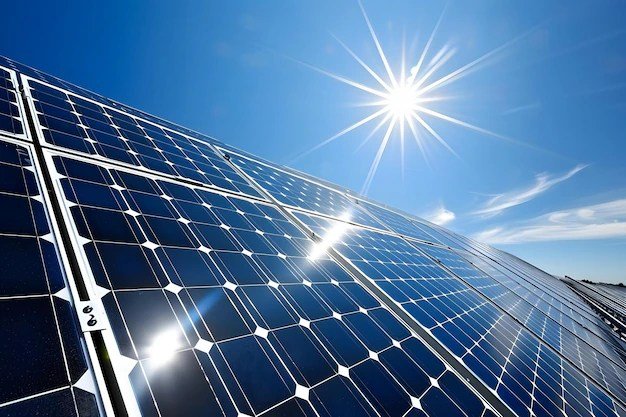
The sun delivers more energy to Earth in a single hour than humanity uses in an entire year. Tapping into this incredible, renewable power source with solar panels isn't just a dream anymore – it's a tangible reality for a growing number of homeowners. But the big question remains: Is solar worth it for your home and your budget?
Deciding to go solar is a significant investment with compelling advantages and important considerations. It's not a one-size-fits-all answer, but rather a journey of understanding the true costs, potential savings, and long-term benefits specific to your situation. We’re here to help you navigate this decision, connecting you to the detailed insights you need every step of the way.
The Promise of Sunlight: Why Go Solar?
For many, the appeal of solar power is clear: harness the sun's energy, reduce reliance on traditional grids, and make a positive impact on the planet. From shrinking your carbon footprint to boosting your home's financial value, the advantages are compelling and far-reaching.
A Greener Footprint for a Brighter Future
Solar energy systems offer a sustainable alternative that doesn't contribute to air pollution or emit CO2. Considering electric power generation was the second-largest emitter of CO2 in 2022, switching to solar provides a direct path to a cleaner environment. While the creation and installation of panels have an environmental impact, this is typically offset within 1 to 4 years, a small fraction of a system's common 30-year lifespan. If contributing to a healthier planet is a priority for you, then it’s time to Solars environmental and lifestyle benefits.
Real Savings, Real Value for Your Home
Beyond environmental stewardship, solar power offers tangible financial benefits. Reducing or even eliminating your monthly electric bill is a primary motivator. Your savings will depend on factors like your power usage, system size, sun exposure, and local electricity rates. Plus, net metering policies in many areas allow you to get credit from your utility company for any excess electricity your panels generate.
Furthermore, a solar energy system can significantly increase your home's market appeal and value. According to a 2019 Zillow survey, homes with solar sold for 4.1% more than those without, translating to an extra $9,274 for median-value homes. This isn't just about saving money on bills; it's about building equity. The cherry on top? A substantial 30% federal tax credit is available on the total cost of installing solar panels on your home between 2022 and 2032, making the investment even more attractive.
Unpacking the Investment: Costs and Considerations
While the benefits are substantial, going solar involves an upfront investment. Understanding these costs and the various factors that influence them is critical to making an informed decision. Getting a clear picture of the financial commitment and potential challenges will help you weigh the true value. Ready to dive deeper into the numbers? You can Explore solar costs, savings, and ROI.
Understanding the Initial Outlay
The initial expense for a residential solar system, encompassing panels, inverter, wiring, and labor, can range from $10,000 to $25,000 or more for a 5-kilowatt (kW) system. This figure can climb if you opt for a solar-plus-storage system, which typically runs between $25,000 to $35,000 to ensure power at night or on cloudy days. Adding a separate battery system to existing panels can cost an additional $12,000 to $22,000. These are significant figures that require careful financial planning.
Roof Realities and Installation Nuances
Not every roof is ideally suited for solar panels. For optimal energy generation, roofs typically need to face south, have a slope between 15 to 40 degrees, and receive direct sunlight for most of the day. East or west-facing roofs can still work but may generate less energy. Beyond orientation, certain roofing materials like cedar shakes, solar shingles, or slate tiles can complicate the installation process, potentially adding to labor costs. Understanding your roof's specifics is a crucial step in the process. For more detailed information on getting your system set up, Explore our solar installation guide Your journey to powering your home with the sun starts here.
Beyond the Panels: Taxes and Storage
While solar panels can increase your home's value, this boost could also lead to a potential increase in property taxes, depending on your state and local tax codes. It’s an important factor to research based on your specific location. Additionally, if consistent power during off-peak sun hours is essential, investing in solar storage batteries is necessary. While a smart solution for energy independence, these batteries represent an added expense to the overall system cost.
Is Solar Right for You? Key Factors to Consider
Solar energy isn't a universal solution, but for many, it's an excellent fit. Several factors determine if a solar panel system will truly be "worth it" for your household. Identifying these early on can streamline your decision-making process.
Consider solar energy a strong option if:
- Homeownership: You own your home, allowing for permanent installation.
- High Energy Usage: You have consistently high energy consumption and monthly electric bills, where savings will be most pronounced.
- Optimal Roof: Your roof is largely unobstructed by shade, ideally south-facing, and slopes between 15 to 40 degrees.
- Local Incentives: You live in a state with net metering policies and qualify for state and federal tax incentives or rebates.
These elements collectively contribute to the economic viability and efficiency of your solar investment. For a deeper dive into how these variables impact your unique situation, you'll want to review the Key Factors Influencing Solars Value.
Making Solar Affordable: Your Financing Options
The upfront cost of solar panels can seem daunting, but thankfully, a range of financing options can make going solar more accessible. Understanding these pathways is key to structuring an investment that works for your financial situation.
- Solar Installers: Many solar installation companies offer their own financing plans, often bundling the system and loan into one package.
- Home Equity Loan or HELOC: Leveraging your home's equity can be a smart move. Home equity loans provide a lump sum at a fixed rate, repaid over 5 to 30 years, using your home as collateral. HELOCs offer a more flexible line of credit, similar to a credit card, with variable interest rates and a draw period, also using your home as collateral. These options often come with lower interest rates, potential refinancing opportunities, and possible tax benefits.
- Solar Loan: Banks, credit unions, and online lenders provide solar-specific loans ranging from $1,000 to $100,000, with APRs typically from 6% to 36%. These function much like personal loans, repaid in equal monthly installments over 2 to 7 years, and crucially, do not require your home or the panels as collateral.
It's highly recommended to compare interest rates, terms, and fees across all financing options to secure the best deal that aligns with your financial goals.
Beyond the Horizon: Solar as a Long-Term Investment
Investing in solar isn't just about immediate savings; it's a commitment to a more sustainable and financially robust future. With systems designed to last 30 years or more, the benefits compound over decades, from consistent energy bill reductions to a demonstrable increase in property value. As energy costs continue to fluctuate and the push for renewable resources intensifies, your solar investment becomes increasingly valuable. Ready to plan for the future? You can Unlock solars long-term value and understand how this decision pays dividends for years to come.
Ultimately, the question "Is solar worth it?" leads to another: "What value do you place on energy independence, environmental responsibility, and long-term financial gain?" By exploring the costs, understanding the benefits, and leveraging available incentives and financing, you can confidently answer that question for yourself and power your home into a brighter future.